Every morning, after making my scrambled eggs, I used to rinse the shells and drop them straight in the trash. Didn’t think twice about it. Then one afternoon, a friend who fosters rescue dogs told me she grinds eggshells and mixes them into her dogs’ food — has done it for years. I thought she was being eccentric. Turns out, she was onto something pretty solid.
So let’s get into it: are eggshells good for dogs to eat, or is this one of those internet trends with no real substance behind it?
The Short Answer — Yes, With Conditions
Eggshells are not toxic to dogs. In fact, they’re a surprisingly rich natural source of calcium carbonate — the same compound found in many over-the-counter calcium supplements. One whole eggshell contains roughly 2,000 mg of calcium, which, when powdered, yields approximately 800 mg of elemental calcium per half teaspoon.
For context, a medium-sized adult dog (around 33 lbs) needs about 50 mg of calcium per kilogram of body weight daily. So a small pinch of ground eggshell can genuinely move the needle — especially for dogs on home-cooked or raw diets where calcium is notoriously hard to balance.
Why Calcium Even Matters for Dogs
Calcium isn’t just a “bones and teeth” thing — though it absolutely supports both. It also plays a critical role in:
- Muscle function, including the heart muscle
- Nerve signal transmission
- Blood clotting
- Enzyme activation
Dogs fed commercial kibble are generally getting adequate calcium because manufacturers are required to meet AAFCO (Association of American Feed Control Officials) nutrient profiles. But dogs on raw or homemade diets? Calcium deficiency is a real and common problem. This is where ‘are crushed eggshells good for dogs’ becomes a genuinely practical question — not just a curiosity.
A Real Story From a Home-Cooking Dog Mom
Maria, a 41-year-old from Austin, Texas, switched her two Labrador Retrievers to a home-cooked diet in 2021 after one of them developed recurring digestive issues with commercial food. Her vet recommended balancing the diet with a calcium source.
“I didn’t want to buy supplements for everything,” she told me. “My vet mentioned eggshell powder as a legit option. I started baking the shells, grinding them in a coffee grinder, and mixing a small amount into their meals. Eight months later, at their annual checkup, their bone density was totally normal. The vet was pleased.”
Maria now keeps a small jar of eggshell powder in her pantry. It costs her nothing extra — she was already buying eggs.
Are Crushed Eggshells Good for Dogs — And Does the Form Matter?
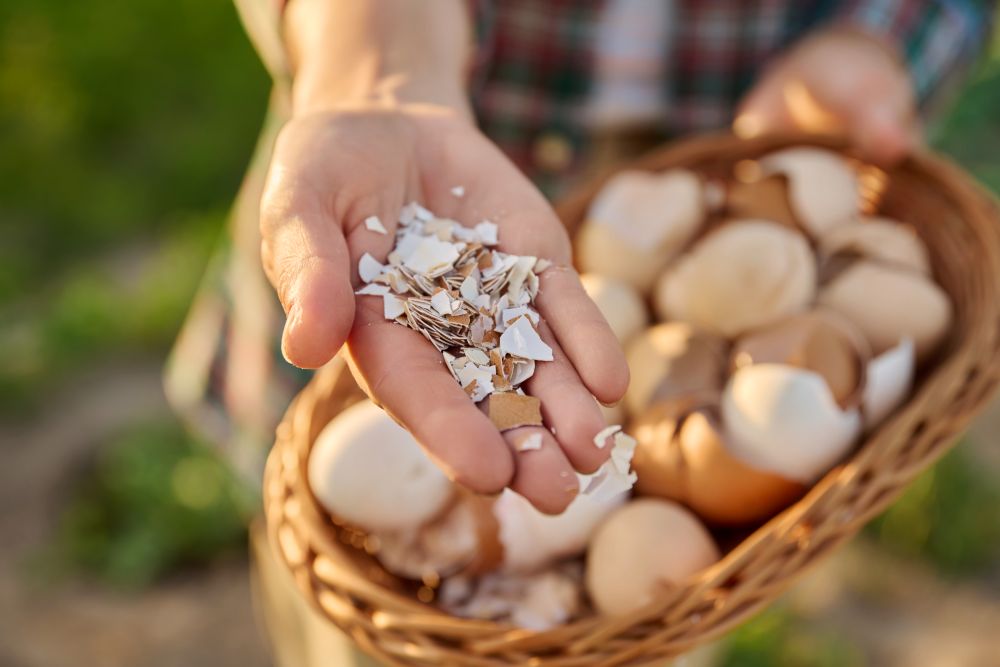
Yes, the form absolutely matters. Whole or sharp shell fragments are a no-go — they can be a choking hazard or cause micro-tears in the esophagus and digestive tract.
The right way to do it:
- Rinse the shells thoroughly to remove any residual egg white
- Bake at 250°F (120°C) for about 10 minutes — this dries them out and kills any potential bacteria like Salmonella
- Cool completely, then grind in a clean coffee grinder or food processor until you get a fine, consistent powder
- Measure carefully — generally ½ teaspoon of powder per pound of fresh food is a common guideline, but always confirm with your vet based on your dog’s specific diet
The powder form is not just safer — it’s also more bioavailable, meaning your dog’s body can actually absorb and use the calcium efficiently.
When You Should NOT Feed Eggshells to Your Dog
Not every dog is a candidate for eggshell supplementation:
- Dogs with hypercalcemia (already-elevated calcium levels) — adding more calcium can be dangerous and lead to kidney complications
- Dogs with kidney disease — phosphorus and calcium balance is delicate in these patients; always defer to your vet
- Dogs already on balanced commercial diets — you may actually cause a calcium-to-phosphorus imbalance, which is just as problematic as deficiency
- Puppies of large breeds — excess calcium during growth phases has been linked to developmental orthopedic disease in breeds like Great Danes and Saint Bernards
Bottom line: if your dog eats commercial kibble and shows no nutritional deficiencies, there’s likely no need to add eggshells. Supplementation makes the most sense when you have a gap to fill.
FAQs About Eggshells and Dogs
Q: Can dogs eat raw eggshells? Technically yes, but baked is better. Raw shells carry a small risk of Salmonella contamination. Baking at 250°F eliminates that risk without destroying the calcium content.
Q: How much eggshell powder should I give my dog? A commonly used starting point is ½ teaspoon of powder per pound of food in a homemade diet. That said, your dog’s individual size, health status, and existing diet should guide the exact amount — loop in your vet before making it a daily habit.
Q: Are eggshells good for dogs with joint problems? Eggshell membrane (the thin white film on the inside of the shell) is different from the shell itself and has shown early promise for joint health — a 2016 study found it may help reduce exercise-induced joint pain in dogs. The shell itself provides calcium, which supports bone health but isn’t a direct joint treatment.
Q: Can I give my dog store-bought eggshell powder instead? Yes. Commercial eggshell powder is standardized in dosage and is a perfectly valid option if you want consistency without the DIY process. Look for products that list elemental calcium content clearly on the label.
Q: What happens if my dog eats a whole eggshell by accident? Most dogs will be fine — a single shell swallowed occasionally isn’t typically dangerous. Monitor for any signs of discomfort, gagging, or vomiting. If symptoms appear or if a large amount was eaten, contact your vet.
The Final Word
Eggshells aren’t a miracle supplement, but they’re not just garbage either. For dog owners feeding homemade or raw diets who need a low-cost, low-fuss calcium source, powdered eggshells are a legitimate, vet-acknowledged option — as long as they’re prepared properly and dosed thoughtfully.
If your dog is happy on commercial food, don’t overthink it. But if you’re cooking for your pup and looking for practical ways to balance their nutrition without a cabinet full of supplements, that morning eggshell is worth saving.
Just remember: when in doubt, your vet is your best resource. No blog post — including this one — replaces a conversation with someone who knows your specific dog.
Have you tried adding eggshell powder to your dog’s meals? Drop your experience in the comments — I’d love to hear how it’s worked for your pup.