My dog, Biscuit, is a seven-year-old golden retriever with the appetite of a small bear and the joints of a dog twice his age. Last spring, my vet mentioned that adding omega-3 fatty acids to his diet could help with the mild inflammation showing up in his hips. Fish oil was one option. But then a friend of mine — who runs a small raw-feeding group out of Denver — mentioned chia seeds.
My first reaction? Honestly, skepticism. But I went down the research rabbit hole anyway, and what I found actually surprised me.
So, are chia seeds good for dogs? Let’s get into the real answer, not a vague “ask your vet” response.
What Makes Chia Seeds Worth Talking About
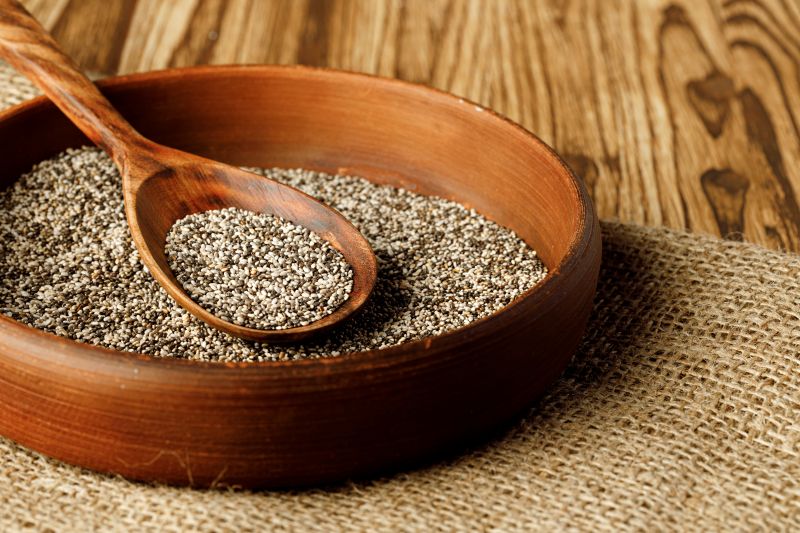
Chia seeds (Salvia hispanica) pack a remarkable amount of nutrition into a tiny package. Per one-ounce (28g) serving, they contain approximately:
- 4,915 mg of omega-3 fatty acids (ALA form)
- 11 grams of fiber
- 4 grams of protein
- Calcium, phosphorus, magnesium, and manganese
For dogs, the fiber content alone has practical value. Many U.S. dog owners deal with pets that have inconsistent digestion — either chronic loose stools or occasional constipation. The soluble fiber in chia seeds absorbs water and forms a gel-like substance in the digestive tract, which helps regulate bowel movements without the need for pharmaceutical interventions.
The omega-3 content is also noteworthy, though there is an important distinction to understand: chia seeds contain ALA (alpha-linolenic acid), not EPA or DHA, which are the forms found in fish oil. Dogs convert ALA to EPA and DHA at a low rate — studies suggest the conversion efficiency is somewhere between 5% and 15%. This means chia seeds can supplement omega-3 intake, but they should not be treated as a full replacement for fish oil if your dog has an active inflammatory condition.
The Practical Benefits Owners Have Actually Noticed
Sarah, a dog owner from Austin, Texas, started adding a small amount of chia seeds to her border collie’s food after he was diagnosed with irritable bowel issues at age four.
“Within three weeks, his stools became more consistent,” she said. “I wasn’t expecting much, honestly. But his coat also looked shinier, and he seemed to have more energy overall. I was giving him about half a teaspoon per day mixed into his wet food.”
Her experience aligns with what the nutrients suggest. Chia seeds are genuinely good for dogs in the following ways:
Coat and skin health. The omega-3 fatty acids support skin barrier function and reduce dryness. Dogs with dull, brittle coats often respond visibly to dietary fat changes within four to six weeks.
Digestive regularity. The gel-forming fiber acts as a prebiotic, feeding beneficial gut bacteria. A 2020 study published in Frontiers in Veterinary Science found that fiber-rich diets significantly influenced microbiome diversity in dogs.
Weight management support. Chia seeds expand when they absorb liquid. Adding them to food can create a mild satiety effect, which is useful for dogs on a calorie-controlled plan.
Antioxidant content. Chia seeds contain quercetin and chlorogenic acid, both of which have demonstrated anti-inflammatory properties in research settings.
How Much Is the Right Amount
This is where a lot of articles get vague. Here are specific starting points:
- Small dogs (under 20 lbs): ¼ teaspoon per day
- Medium dogs (20–50 lbs): ½ teaspoon per day
- Large dogs (50+ lbs): 1 teaspoon per day
Always introduce chia seeds gradually over one to two weeks. Jumping straight to a full serving on day one can cause bloating or loose stools because of the sudden fiber increase. Also, pre-soak the seeds in water for 15–20 minutes before adding to food. This reduces the risk of the dry seeds expanding in the stomach and causing discomfort.
Are There Any Risks
Chia seeds are non-toxic to dogs. The ASPCA does not list them as a harmful food. That said, a few considerations apply:
Too much fiber too fast can cause temporary GI upset. Stick to the serving sizes above.
Dogs with kidney disease should be monitored, as chia seeds contain moderate phosphorus levels. Check with your vet if your dog has any chronic kidney condition.
Dry seeds in large quantities could theoretically cause esophageal issues in dogs who gulp their food. Pre-soaking eliminates this concern entirely.
FAQs
Q: Can dogs eat chia seeds every day? Yes, in appropriate amounts. Daily use at the serving sizes listed above is generally considered safe for healthy adult dogs.
Q: Are chia seeds good for dogs with arthritis? They can help as part of a broader anti-inflammatory diet, but ALA omega-3s convert to EPA/DHA at a low rate. Pairing chia seeds with a quality fish oil is a stronger approach for dogs with joint conditions.
Q: Can puppies eat chia seeds? Puppies can have chia seeds in very small amounts, but their nutritional needs during growth phases are highly specific. Focus on a complete puppy diet first, and hold off on supplements until your vet signs off.
Q: White chia seeds vs. black chia seeds — does it matter for dogs? Nutritionally, no. The two varieties are nearly identical in their fatty acid, protein, and fiber profiles. Either works fine.
Q: Can I give my dog chia seed pudding made with almond milk? Skip the almond milk. Plain soaked chia seeds in water mixed into dog food is the safest preparation. Almond milk is not toxic, but it adds unnecessary fats and sugars that dogs do not need.
The Bottom Line
Are chia seeds good for dogs? Yes — with realistic expectations and appropriate amounts. They are not a cure-all, and they work best as part of a balanced, species-appropriate diet rather than as a standalone solution.
What they reliably offer is digestive support, a modest omega-3 contribution, and real antioxidant value. For most healthy U.S. adult dogs, they are a safe, affordable, and easy addition to a regular feeding routine.
Biscuit has been getting half a teaspoon of pre-soaked chia seeds in his morning meal for about five months now. His coat is noticeably better, and his digestion is more regular than it has been in years. Is it entirely the chia seeds? Hard to say. But I have no reason to stop.
Always loop in your veterinarian before adding any supplement to your dog’s diet, especially if your dog is managing a health condition or on prescription food.