My neighbor Maria got her first pitbull, a wiggly brindle pup named Biscuit, when he was eight weeks old. She called me three months in, half-laughing, half-panicked: “He’s already bigger than my beagle. When does this stop?”
It’s one of the most common questions in the pitbull owner community — and honestly, one of the most misunderstood. The answer isn’t a single age. It’s a layered process involving bone length, muscle mass, and mental maturity that plays out over nearly two years. Let’s get into the actual details.
So, When Do Pitbull Dogs Stop Growing?
Here’s the short answer: most pitbulls reach their full height between 12 and 18 months of age, but they continue to fill out in muscle and chest width until 24 to 36 months. You might have a dog who looks “done” at 14 months but keeps packing on healthy muscle well into their third year.
This two-phase growth pattern is something a lot of first-time pitbull owners miss. They see their dog hit a certain height and assume that’s the finish line. It’s not — it’s halftime.
According to the American Kennel Club, the American Pit Bull Terrier typically stands 17 to 21 inches tall and weighs between 30 and 65 pounds at full maturity, though lines can vary widely depending on the breeding background. Some dogs trend smaller (closer to the American Staffordshire Terrier build), while others are notably stockier.
Month-by-Month Pitbull Growth Timeline
0–8 Weeks: Puppies are fully dependent on their mother. Growth is rapid but mostly focused on neurological and organ development.
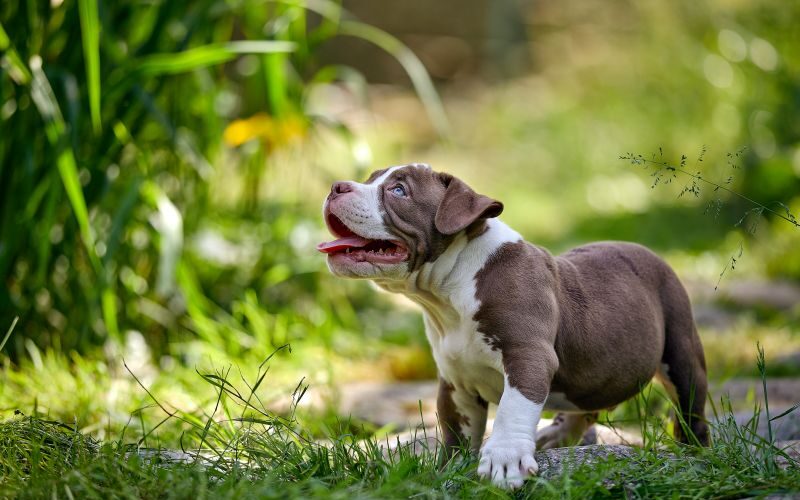
8–16 Weeks: This is when most owners bring their pup home. Expect noticeable size jumps nearly every week. Bones are soft, and rough play or excessive jumping should be limited to protect developing joints.
4–6 Months: Your pitbull puppy enters a gangly adolescent phase. Legs seem too long, ears can’t decide what to do, and energy levels go through the roof. They may gain 3 to 5 pounds per month during this window.
6–12 Months: Growth begins to slow. Height gains taper off. By 9 to 12 months, many pitbulls are close to their adult height, though they still look “lean” or “unfinished.”
12–18 Months: The skeletal growth plates typically close around this stage. This is a major milestone — it’s generally safe to introduce more structured exercise and activities like hiking or agility after vet confirmation that growth plates are closed.
18–36 Months: Muscle development continues steadily. A pitbull at 18 months and the same dog at 30 months can look like noticeably different animals — not taller, but broader, more defined, and more solid.
When Do Pitbull Puppies Stop Growing — What the Vet Doesn’t Always Say Out Loud
Most vets will tell you growth plates close around 12 to 18 months, but they don’t always mention the muscle maturation timeline. This matters practically because overworking a pitbull before 18 months — especially with repetitive impact activities — can cause long-term joint damage.
James, a veteran pitbull owner from Texas with four rescues over the past 15 years, puts it bluntly: “My first dog, I had him running 5-mile trails with me at 10 months because he seemed ready. He developed hip dysplasia by age four. My vet said I probably pushed his joints too early. I didn’t know. Nobody told me.”
The takeaway: let the growth timeline guide your exercise decisions, not just your dog’s enthusiasm.
Factors That Influence How Fast (or Slow) Your Pitbull Grows
1. Genetics and Bloodline A pup from a compact, lighter-boned line will mature differently than one from a heavier American Bully lineage. If you can see the parents, you have a much better growth prediction than any chart can offer.
2. Nutrition Pitbulls fed a high-quality diet with appropriate protein levels (look for 25–30% protein in kibble, from named meat sources) tend to develop more consistent muscle mass. Puppies fed poor-quality food may grow “tall but hollow” — reaching height without proper muscle density.
3. Spay/Neuter Timing Research, including a study published in Frontiers in Veterinary Science, suggests that early spay/neuter (before 12 months) can affect bone growth and joint development in certain breeds. Discuss the right timing for your specific dog with your vet — it’s not one-size-fits-all anymore.
4. Overall Health Intestinal parasites, chronic illness, or poor absorption conditions can stunt growth even in a well-fed puppy. Routine deworming and wellness checks matter more than most owners realize.
Male vs. Female Pitbulls: Does Growth Differ?
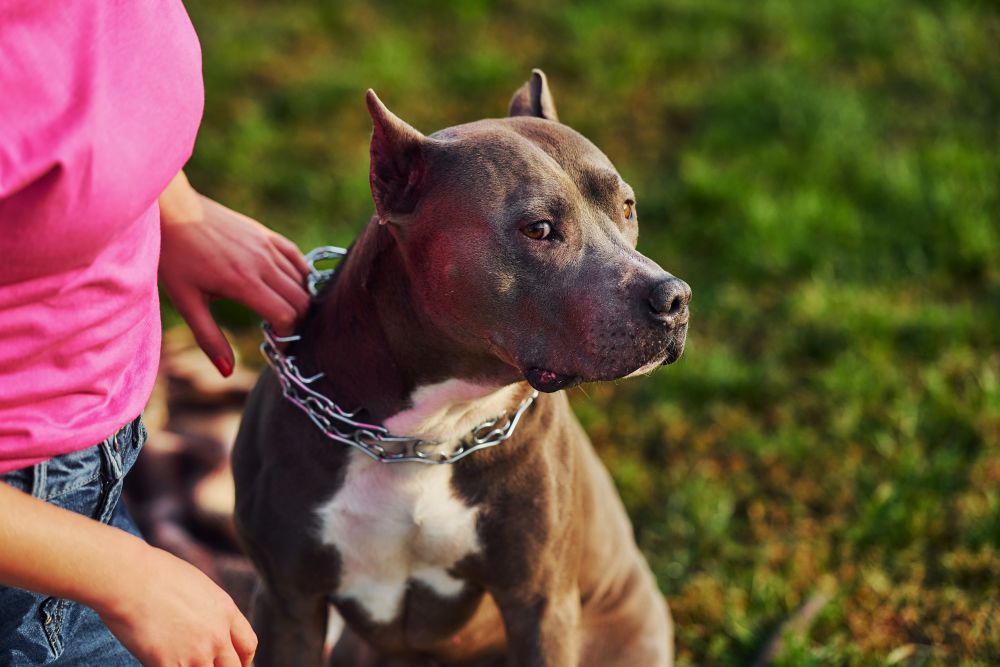
Yes — noticeably. Male pitbulls are typically larger, ranging from 35 to 65 pounds, and tend to take longer to fully fill out (closer to the 30-month mark). Female pitbulls usually finish their growth cycle a bit earlier and stay on the lighter end, between 30 and 50 pounds. Both sexes, however, follow the same general two-phase pattern: height first, muscle second.
FAQs: When Do Pitbulls Stop Growing
Q: Is my pitbull fully grown at 1 year old? A: Probably close to their full height, but no — they’ll continue building muscle and chest width until around age 2 to 3. Think of 12 months as “structurally complete but not finished.”
Q: How can I tell if my pitbull is still growing? A: The clearest indicator is paw size — oversized paws relative to the body usually signal more growth ahead. You can also ask your vet to X-ray the growth plates; open plates mean active growth.
Q: My pitbull seems really small for his age. Should I worry? A: Not necessarily. Pitbull size varies dramatically by bloodline. If your dog is eating well, energetic, and has a clean bill of health, they may simply be on the smaller end of the spectrum. A vet check to rule out parasites or nutritional gaps is always a good call.
Q: When can I start running or doing agility with my pitbull? A: Most vets recommend waiting until growth plates are confirmed closed, typically after 18 months. Low-impact exercise like leash walks and short play sessions are fine before then.
Q: Do pitbulls have a growth spurt? A: Yes — the biggest one happens between 4 and 6 months, when they can seem to grow overnight. A second, subtler “filling out” phase happens between 18 and 30 months.
Q: What weight should my pitbull be at 6 months? A: Generally, a pitbull puppy at 6 months weighs between 25 and 40 pounds, depending on sex and genetics. Males tend to be on the higher end.
The Bottom Line
When do pitbulls stop growing? The honest answer is: later than most people expect, and in two distinct phases. Height wraps up around 12 to 18 months; full muscular development carries through to 2.5 to 3 years. Understanding this timeline doesn’t just satisfy curiosity — it shapes smarter decisions about exercise, nutrition, and veterinary care during the years that matter most for your dog’s long-term health.
Biscuit, Maria’s brindle boy, is now three years old. He’s a barrel-chested, ridiculously affectionate 52-pound dog who still thinks he’s a lap dog. He’s also, finally, done growing — though Maria swears his personality keeps expanding every year.
That part, at least, never stops.
Got a pitbull growth story or a question we didn’t cover? Drop it in the comments — we read every single one.