If your dog has been favoring one hind leg, skipping steps on the stairs, or just seems “off” during walks, you might be dealing with something most pet owners have never heard of — a problem with the round ligament in dog. Not as widely discussed as torn ACLs or hip dysplasia, this small but critical structure inside your dog’s hip joint does enormous work every single day. And when it fails? The pain it causes is significant.
Let me walk you through what it actually is, why it matters, and what your options look like if your vet brings it up at your next appointment.
What Exactly Is the Round Ligament in a Dog?
The round ligament in a dog — technically called the ligamentum capitis ossis femoris or the ligament of the femoral head — is a short, fibrous band of tissue located deep inside the hip joint. It connects the head of the femur (the ball of the ball-and-socket joint) to the acetabulum (the socket in the pelvis).
Think of it as a small internal tether that keeps the femoral head seated properly inside the joint. Without it doing its job, the joint loses stability. According to veterinary orthopedic studies, rupture or degeneration of this ligament is more common than many general practitioners initially suspect — and it’s frequently misdiagnosed as a soft tissue sprain during the early weeks.
Why Does the Round Ligament in a Dog Tear?
There are two main scenarios:
1. Traumatic Rupture A sudden slip, a fall, or a car accident can cause an acute tear. This is the version that shows up fast — your dog was fine an hour ago, and now they can barely bear weight.
2. Degenerative Rupture This is sneakier. Overweight dogs, older dogs, or breeds predisposed to hip problems (Labrador Retrievers, German Shepherds, and Rottweilers show higher incidence in orthopedic literature) can experience gradual breakdown of the ligament over months. The lameness comes on slowly and owners often chalk it up to “just getting older.”
Statistically, large and giant breed dogs account for a disproportionate number of hip joint injuries, but small breeds aren’t immune — Pomeranians and Chihuahuas occasionally present with round ligament issues tied to Legg-Calvé-Perthes disease.
Spotting the Signs — Don’t Dismiss These
Symptoms of a compromised round ligament in a dog include:
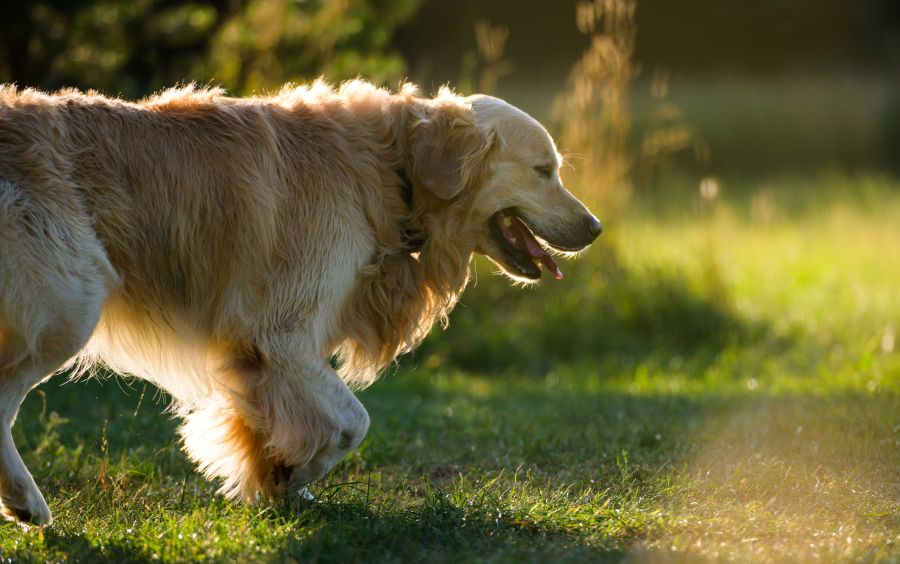
- Intermittent or persistent hind limb lameness (may worsen after rest)
- Reluctance to jump, run, or climb stairs
- Pain response when the hip is rotated during physical examination
- Muscle atrophy in one hind leg (the affected leg thins over weeks)
- Sitting in an unusual position with one leg kicked out to the side
A friend of mine, Sarah, a Labrador mom in Austin, Texas, noticed her four-year-old Lab, Biscuit, started sitting “sideways” on the couch every evening. She assumed it was just a quirky habit. Eight weeks later, her vet identified a partial round ligament tear confirmed on radiographs. “I felt terrible that I’d waited so long,” she told me. “He’d been uncomfortable and I read it as personality.”
Sarah’s story is more common than you’d think.
Diagnosis — What to Expect at the Vet
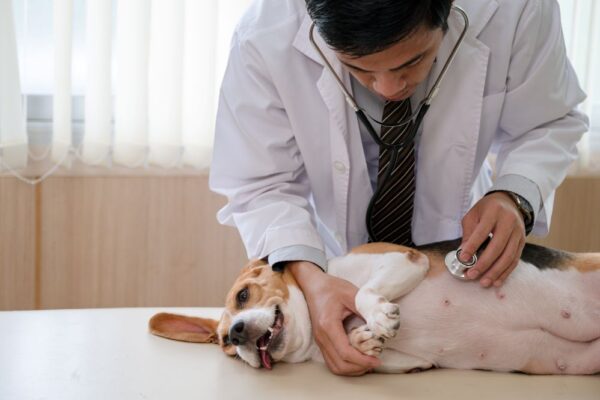
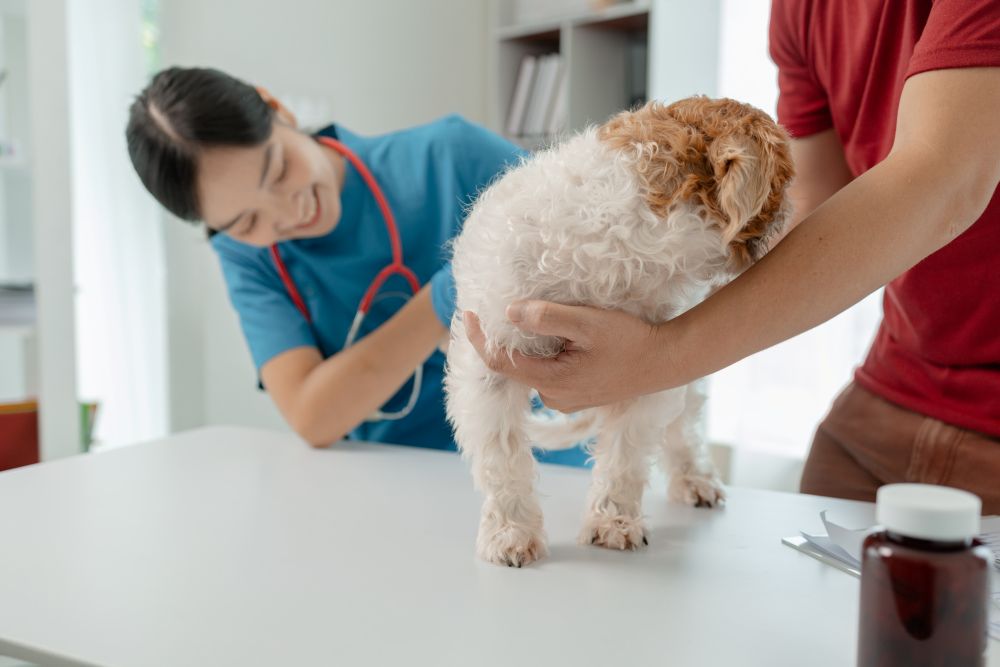
Your veterinarian will typically start with a hands-on orthopedic exam — assessing gait, palpating the hip, and performing range-of-motion tests. Radiographs (X-rays) are standard, though they won’t directly visualize soft tissue. In many cases, the diagnosis of a round ligament in dog tear is confirmed during surgery when the vet physically inspects the joint.
Some specialty practices now use MRI for pre-surgical planning, though this remains more common in academic or referral hospitals.
Treatment Options — There’s More Than One Path
1. FHO Surgery (Femoral Head Ostectomy) The most common surgical solution. The femoral head is removed entirely, and the surrounding muscles create a “false joint” over recovery. Success rates are high, particularly in dogs under 50 lbs.
2. Total Hip Replacement (THR) Reserved for larger dogs or those with concurrent joint disease. More expensive (ranges from $3,500–$7,000 per hip nationally), but it restores near-normal joint mechanics.
3. Conservative Management Rarely recommended for active dogs, but in geriatric patients or those with other health conditions limiting surgery, strict rest, weight management, and pain medication can provide reasonable quality of life.
Recovery Timeline — Set Realistic Expectations
Post-FHO recovery for a round ligament in dog tear typically runs 8–12 weeks of restricted activity, with formal physical therapy (hydrotherapy, passive range-of-motion exercises) significantly improving outcomes. A 2021 survey of veterinary rehabilitation practitioners found that dogs who completed structured rehab after FHO returned to normal activity approximately 3 weeks faster than those who rested alone.
❓ FAQs — Round Ligament in Dog
Q: Is a round ligament tear the same as a torn CCL in dogs? No. The cranial cruciate ligament (CCL) is in the knee. The round ligament is inside the hip joint. They’re completely separate structures, though both cause hind limb lameness.
Q: Can a round ligament in a dog heal on its own? Unlikely. Unlike some soft tissue injuries, the environment inside the hip joint doesn’t support natural ligament healing. Most complete tears require surgical intervention.
Q: How do I know if my dog is in pain from this? Dogs rarely vocalize hip pain. Watch for postural changes, reluctance to exercise, or a subtle “bunny hopping” gait where both hind legs move together rather than alternating.
Q: What breeds are most at risk? Larger breeds are statistically more vulnerable, but Legg-Calvé-Perthes disease (which damages the femoral head and associated structures) puts small breeds like Yorkshire Terriers and Miniature Pinschers at elevated risk too.
Q: Can I prevent round ligament issues in my dog? Maintaining a healthy body weight is the single most impactful preventive measure. Excess weight increases stress on every joint structure, including the round ligament. Annual wellness exams that include orthopedic screening also catch early changes before they become emergencies.
A Final Honest Note
The round ligament in dog isn’t a glamorous topic. It doesn’t trend on pet forums the way dental chews or raw diets do. But for the dog sitting in quiet discomfort in your living room right now — the one you thought was “just tired” or “a little stiff” — it might be exactly what’s standing between them and real relief.
If something feels off with your dog’s movement, trust that instinct. You know your dog better than anyone. Push for answers.
Have a question about your dog’s hip health? Drop it in the comments below — I read every single one.