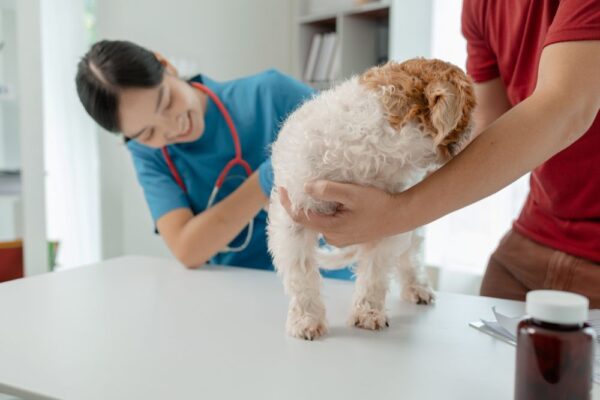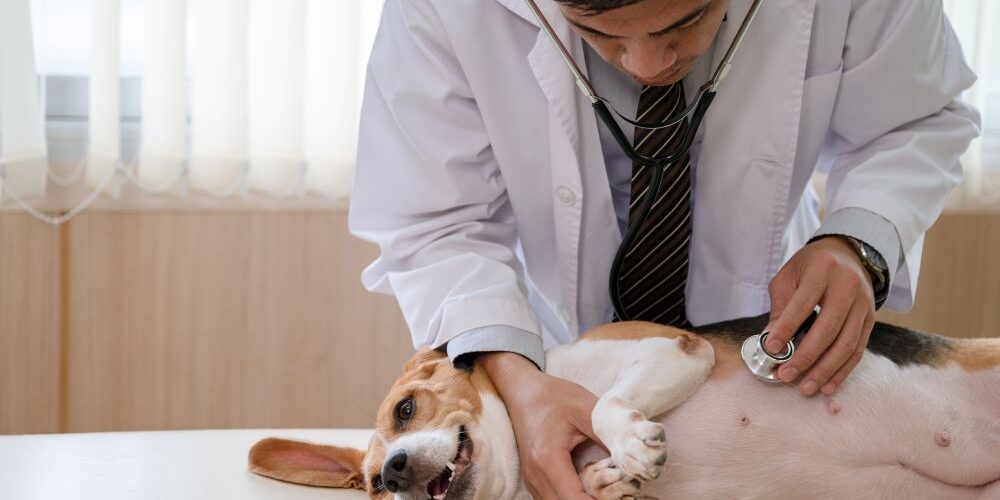
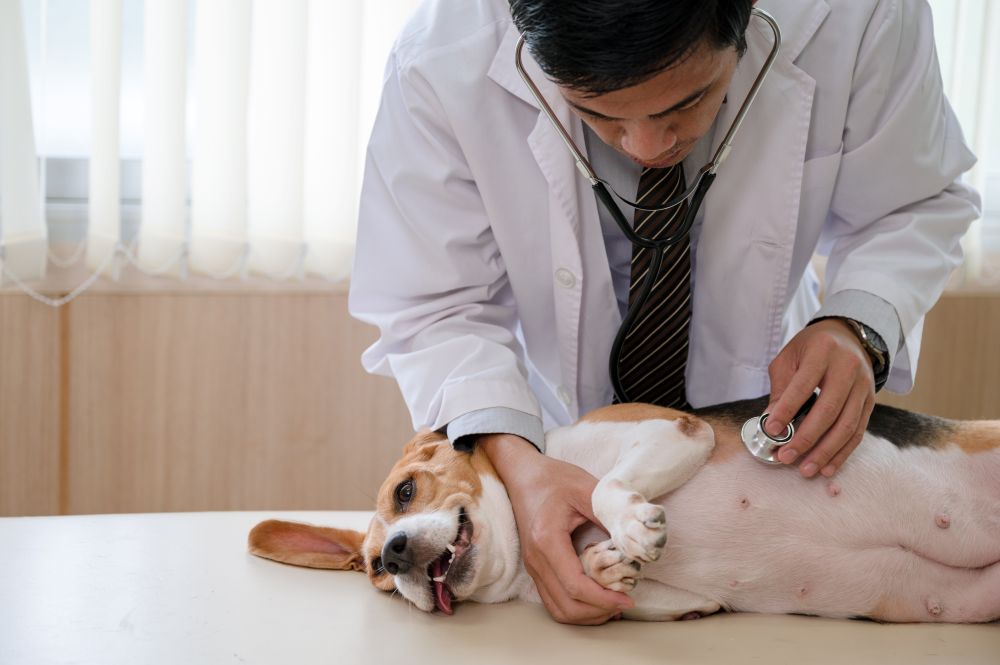
When my neighbor Rick called me in a panic last spring, his 7-year-old Labrador, Duke, had just been diagnosed with a scrotal hematoma following a botched neuter. The vet used a term Rick had never heard before — scrotal ablation — and Rick genuinely thought it sounded scarier than it was. He had questions. Lots of them. And honestly, the internet wasn’t giving him straight answers.
If you’re in a similar boat right now, this article is for you.
So, What Exactly Is Scrotal Ablation in Dogs?
Scrotal ablation in dogs is a surgical procedure in which the scrotum — the pouch of skin that previously housed the testicles — is surgically removed. It is not the same as a standard neuter. Neutering removes the testicles; scrotal ablation removes the scrotal sac itself.
This procedure is typically performed when the scrotal tissue becomes problematic after the fact. The most common reasons a vet recommends canine scrotal ablation include:
- Scrotal hematoma — blood pooling inside the scrotal tissue, often after routine neutering
- Scrotal dermatitis — chronic skin inflammation or infection of the scrotal area
- Neoplasia — tumors affecting the scrotal tissue
- Trauma — physical injury causing irreversible damage
- Persistent swelling — when the scrotum does not shrink naturally after neutering, particularly in older dogs
According to veterinary data, scrotal hematomas develop in an estimated 1–2% of routine canine castrations, making post-neuter scrotal ablation more common than many pet owners realize.
Is Scrotal Ablation the Same as Neutering?
No — and this confusion trips up a lot of dog owners. A standard neuter removes the testicles through a single incision. Dog scrotal ablation goes one step further, excising the scrotal skin itself. In many cases, it is performed simultaneously with neutering (called a scrotal urethrostomy combo in some breeds), or as a secondary surgery when complications arise.
For older male dogs being neutered later in life, vets often proactively recommend dog scrotal ablation at the time of castration. Why? Because in adult and senior dogs, the scrotum rarely reabsorbs and shrinks on its own the way it does in young puppies. Leaving the empty pouch behind can lead to drag, irritation, or repeated infections.
What Does the Procedure Actually Look Like?
Scrotal ablation canine surgery is performed under general anesthesia. Here’s a simplified breakdown of what happens:
- The dog is sedated and prepped for sterile surgery
- An elliptical incision is made around the base of the scrotum
- The scrotal skin and underlying tissue are carefully excised
- Blood vessels are ligated (tied off) to prevent bleeding
- The area is sutured closed in layers for a clean, flat closure
- The dog wakes up in recovery, typically within the same day
Total surgical time is usually 30 to 60 minutes, depending on the complexity of the case.
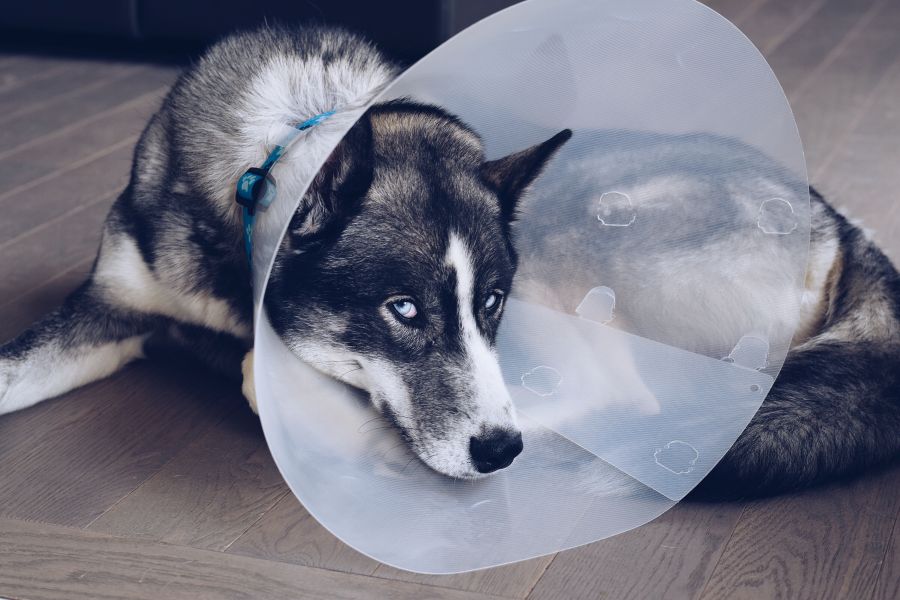
Rick told me Duke was out of surgery and groggy but alert by early afternoon. “He looked confused about why he was wearing a cone, but he wagged his tail when he saw me. That told me everything was going to be fine.”
Recovery: What the First Two Weeks Actually Look Like
Post-op care for dog scrotal ablation is straightforward but requires consistency. Here’s what to expect:
Week 1:
- Strict rest — no running, jumping, or rough play
- E-collar (cone) worn at all times to prevent licking the incision
- Mild swelling and bruising at the surgical site is normal
- Pain medication prescribed by your vet (typically NSAIDs or opioid analgesics for 3–5 days)
Week 2:
- Gradual return to short leash walks
- Daily incision checks — look for redness, discharge, or separation of sutures
- Suture removal typically at the 10–14 day mark
One golden rule: do not let your dog lick the incision. Canine saliva introduces bacteria and is one of the leading causes of post-surgical infections.
A quick stat worth knowing — wound dehiscence (suture breakdown) occurs in roughly 5–10% of canine perineal surgeries when aftercare instructions aren’t followed. That number drops dramatically with proper cone use and activity restriction.
How Much Does Scrotal Ablation Cost in the U.S.?
Cost varies by region, facility type, and whether the ablation is performed alongside a neuter or as a standalone secondary surgery.
- Combined neuter + scrotal ablation: $300 – $700 at most general practice clinics
- Standalone scrotal ablation (secondary surgery): $500 – $1,200+
- Specialist or emergency surgical setting: Can exceed $2,000 depending on complexity
Pet insurance can offset costs significantly if the procedure is deemed medically necessary rather than elective. Always call your provider before surgery to confirm coverage.
FAQs: Scrotal Ablation in Dogs
Q: Does my dog need scrotal ablation after neutering? Not always. In puppies and young dogs, the empty scrotum usually shrinks within a few weeks. In adult dogs over 3–4 years, the tissue is less likely to reabsorb, so your vet may recommend ablation at the time of the neuter.
Q: Is canine scrotal ablation a high-risk surgery? It is considered a low-to-moderate risk procedure when performed by an experienced veterinarian on an otherwise healthy dog. Pre-surgical bloodwork helps identify any underlying issues that could complicate anesthesia.
Q: How long does recovery take after dog scrotal ablation? Most dogs return to normal activity within 2–3 weeks. Full internal healing takes about 6 weeks.
Q: Can scrotal ablation be done at a low-cost spay/neuter clinic? Some clinics do offer this service, particularly when performed alongside a neuter. However, if it’s a secondary surgery addressing a complication, a general practice or surgical specialist is preferable.
Q: What happens if a scrotal hematoma is left untreated? Left without intervention, a hematoma can become infected, rupture, or cause significant pain. In most cases, dog scrotal ablation is the most effective resolution once conservative management has failed.
A Note From One Dog Parent to Another
Here’s the thing about scrotal ablation canine surgery — it sounds intense, and I won’t sugarcoat the fact that any surgery under general anesthesia carries some inherent risk. But when it’s the right call for your dog, it’s genuinely one of the cleanest solutions available. Duke recovered fully. He’s back to swimming in the lake behind Rick’s house, tail going like a propeller every morning.
If your vet has recommended this procedure, ask them the hard questions. What is the specific indication? What’s the expected recovery timeline? What are the signs of complications I should watch for at home? A good vet will welcome every single one of those questions.
Your dog depends on you to ask them.
Always consult a licensed veterinarian before making any medical decisions for your pet. This article is intended for informational purposes only.